
Effective Strategies to Stop Hair Loss Naturally
Hair loss can feel like a sneaky thief, quietly taking away your confidence strand by strand. But guess what? You don’t have to just sit back and watch it happen. There are plenty of effective strategies to stop hair loss naturally, and I’m here to walk you through them. Whether you’re noticing a few more hairs in the shower drain or a thinning crown, understanding the root causes and practical steps can make a huge difference.
Let’s dive into some science-backed, easy-to-follow tips that can help you keep your hair healthy and vibrant. Ready to take control? Let’s get started!
Understanding How to Stop Hair Loss Naturally
Before jumping into solutions, it’s important to understand why hair loss happens. Hair follicles go through cycles of growth, rest, and shedding. Sometimes, this cycle gets disrupted by factors like stress, poor nutrition, hormonal changes, or even genetics. The good news? Many of these factors can be managed or improved with natural strategies.
Here are some key natural approaches to help stop hair loss:
Balanced Nutrition: Your hair needs vitamins and minerals to grow strong. Think of your scalp as a garden - without the right nutrients, the plants (hair) won’t thrive.
Gentle Hair Care: Harsh chemicals and heat styling can damage hair shafts and follicles.
Stress Management: Chronic stress can push hair follicles into a resting phase, causing more shedding.
Scalp Health: A clean, well-moisturized scalp supports healthy hair growth.
By focusing on these areas, you can create an environment where your hair feels supported and less likely to fall out.
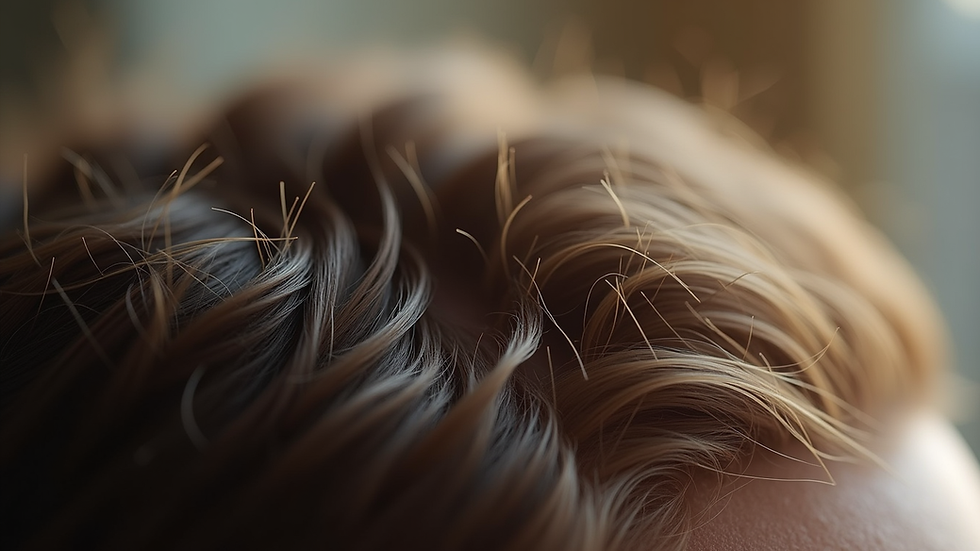
How Do I Stop My Hair From Falling Out?
This is the million-dollar question, isn’t it? The answer lies in a combination of lifestyle changes and targeted care. Here’s a step-by-step guide to help you reduce hair fall:
Eat Hair-Friendly Foods
Incorporate foods rich in iron, zinc, vitamin D, and biotin. Think leafy greens, nuts, eggs, and fatty fish. These nutrients fuel hair growth and repair.
Avoid Overwashing
Washing your hair too often can strip natural oils, leading to dryness and breakage. Aim for 2-3 times a week with a gentle shampoo.
Use Mild Hair Products
Choose sulfate-free shampoos and conditioners with natural ingredients. Avoid products with harsh chemicals that can irritate your scalp.
Limit Heat Styling
Excessive use of blow dryers, straighteners, and curling irons weakens hair. When you do use heat, apply a heat protectant spray.
Massage Your Scalp
Regular scalp massages increase blood flow to hair follicles, encouraging growth. Use your fingertips and gentle circular motions for 5-10 minutes daily.
Manage Stress
Try meditation, yoga, or deep breathing exercises. Reducing stress helps keep your hair cycle on track.
Stay Hydrated
Drinking enough water keeps your scalp hydrated and supports overall hair health.
Consult a Professional
If hair loss persists, a dermatologist or trichologist can help identify underlying causes and recommend treatments.
By following these steps, you’re giving your hair the best chance to stay strong and healthy.
The Role of Scalp Care in Preventing Hair Loss
Think of your scalp as the soil where your hair grows. If the soil is unhealthy, the plants won’t flourish. Scalp care is often overlooked but is crucial in preventing hair loss naturally.
Keep It Clean: Dirt, oil, and product buildup can clog hair follicles. Use a gentle cleanser to keep your scalp fresh.
Exfoliate Occasionally: Just like your face, your scalp benefits from exfoliation to remove dead skin cells. Use a mild scrub or a brush designed for scalp care.
Moisturize: Dry scalp can lead to itching and flaking, which may contribute to hair loss. Natural oils like jojoba or argan oil can soothe and hydrate.
Avoid Tight Hairstyles: Styles that pull on your hair, like tight ponytails or braids, can cause traction alopecia, a type of hair loss.
Taking care of your scalp creates a healthy foundation for hair growth and reduces the risk of hair loss.

Lifestyle Habits That Support Hair Growth
Your daily habits have a bigger impact on your hair than you might think. Here are some lifestyle tips that support hair growth and help prevent hair loss naturally:
Get Enough Sleep: Hair repair happens during sleep. Aim for 7-9 hours per night.
Exercise Regularly: Physical activity improves circulation, including to your scalp.
Avoid Smoking: Smoking reduces blood flow and damages hair follicles.
Limit Alcohol: Excessive drinking can dehydrate your body and hair.
Protect Hair from Sun Damage: UV rays can weaken hair. Wear a hat or use hair products with UV protection when outdoors.
Small changes in your routine can add up to big improvements in hair health.
Special Considerations: How to Prevent Hair Loss in Women
Women often face unique challenges with hair loss due to hormonal fluctuations, pregnancy, menopause, and certain medical conditions. If you’re wondering how to prevent hair loss in women, it’s important to address these specific factors.
For example, hormonal imbalances like polycystic ovary syndrome (PCOS) or thyroid issues can cause thinning hair. Managing these conditions with your healthcare provider is key. Additionally, gentle hair care and avoiding harsh treatments like bleaching or frequent heat styling can protect delicate hair.
If you want to learn more about how to prevent hair loss in women, there are plenty of resources and expert advice available to guide you through personalized strategies.
Embracing a Holistic Approach to Hair Health
Stopping hair loss naturally isn’t about quick fixes or miracle cures. It’s about embracing a holistic approach that nurtures your hair from the inside out. Combining good nutrition, scalp care, stress management, and healthy habits creates a powerful synergy.
Remember, patience is key. Hair grows slowly, and it may take a few months to see noticeable changes. But with consistent care, you’ll be on your way to stronger, fuller hair.
Why not start today? Your hair deserves the best care you can give it!
By integrating these effective strategies, you’re not just preventing hair loss - you’re investing in your confidence and well-being. Here’s to healthy, happy hair!


Comments